
Lake & Watershed Facts
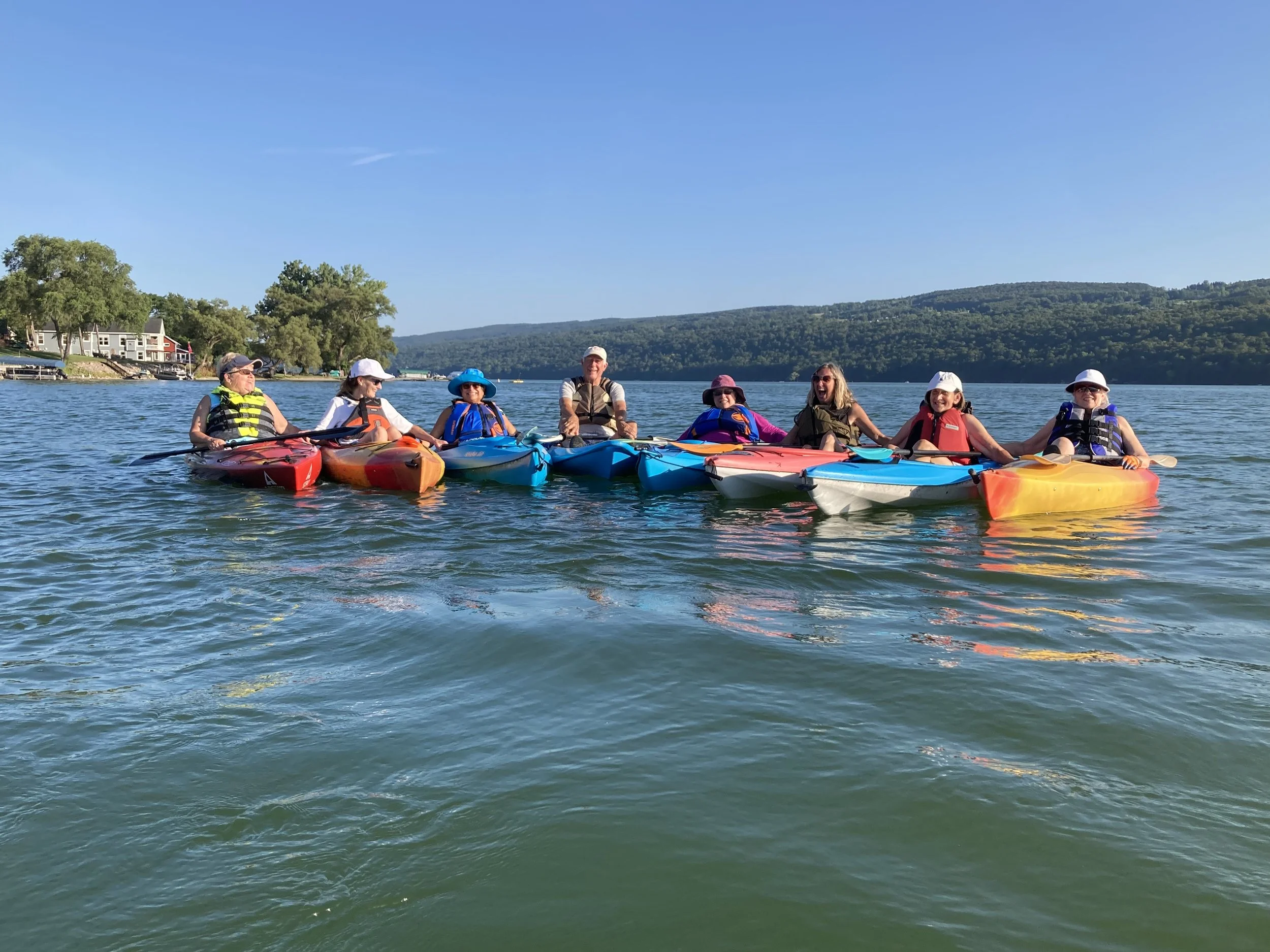
Otisco Lake’s long-term health depends on active protection of its watershed: maintaining natural shorelines, controlling stormwater runoff, preventing nutrient and sediment pollution from agriculture and development, and managing invasive species are essential to preserving water quality, aquatic habitat, and drinking water supply for surrounding communities. Collaborative watershed stewardship—through land conservation, buffering streams and tributaries with native vegetation, implementing best-management practices on farms, upgrading septic systems, and supporting responsible shoreline use—reduces phosphorus and sediment inputs that drive algal blooms and invasive plant dominance, helping sustain the lake’s ecological balance and recreational value for future generations.
FACTS
Otisco Lake is the easternmost of the Finger Lakes and serves as a municipal drinking water source for local communities.
The lake’s watershed includes agricultural lands, residential areas, wetlands, and tributary streams that influence water quality.
Excess phosphorus and sediment entering the lake are primary drivers of harmful algal blooms and invasive aquatic plant growth.
Shoreline buffers of native trees, shrubs, and grasses can reduce runoff, filter pollutants, and stabilize banks, cutting erosion and nutrient loads.
Agricultural best-management practices—cover crops, contour farming, nutrient management plans, and riparian buffers—significantly lower nutrient and sediment runoff.
Failing or outdated septic systems in the watershed can contribute pathogens and nutrients; regular inspection and upgrades reduce this risk.
Stormwater from developed areas carries oils, metals, nutrients, and sediment; green infrastructure (rain gardens, permeable pavement, bioswales) mitigates these impacts.
Wetlands and floodplain protection within the watershed provide natural filtration, habitat, and flood attenuation benefits.
Public education, landowner incentives, and coordinated watershed planning increase adoption of conservation practices and improve long-term outcomes.
Monitoring water quality, tributary flows, and invasive species distributions is critical to measuring progress and guiding management decisions.
Driven by curiosity and built on purpose, this is where bold thinking meets thoughtful execution. Let’s create something meaningful together.